
A diesel engine is like a "compression ignition engine." It compresses air with a piston, making the air hot and dense. Diesel fuel is then injected, and upon contact with the hot air, it ignites immediately, pushing the piston and converting thermal energy into mechanical energy. This "compression ignition" method is more fuel-efficient and more powerful than the "ignition" method of gasoline engines.
The internal structure of a diesel engine is simple, mainly consisting of a cylinder block, piston, crankshaft, and fuel injectors. The piston moves up and down within the cylinder block, compressing air; the fuel injectors precisely control the timing and amount of diesel fuel injected to ensure complete combustion. For example, diesel engines used in tractors rely on high torque to haul heavy loads; diesel engines used in trucks rely on high speeds for long-distance travel.
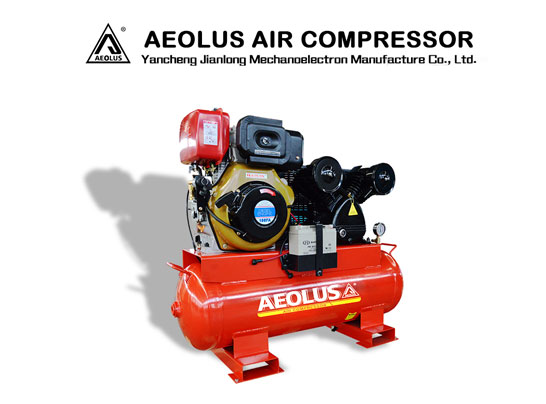
Its advantages lie in its durability and fuel efficiency. Diesel fuel has a higher flash point, resulting in more complete combustion and 20%-30% lower fuel consumption compared to gasoline engines. It also has fewer parts, a simpler structure, and lower maintenance costs. In daily use, be careful not to mix fuels – diesel and gasoline cannot be mixed, as this will damage the fuel injectors. Regularly checking the engine oil level and maintaining lubrication will help the diesel engine last longer.